
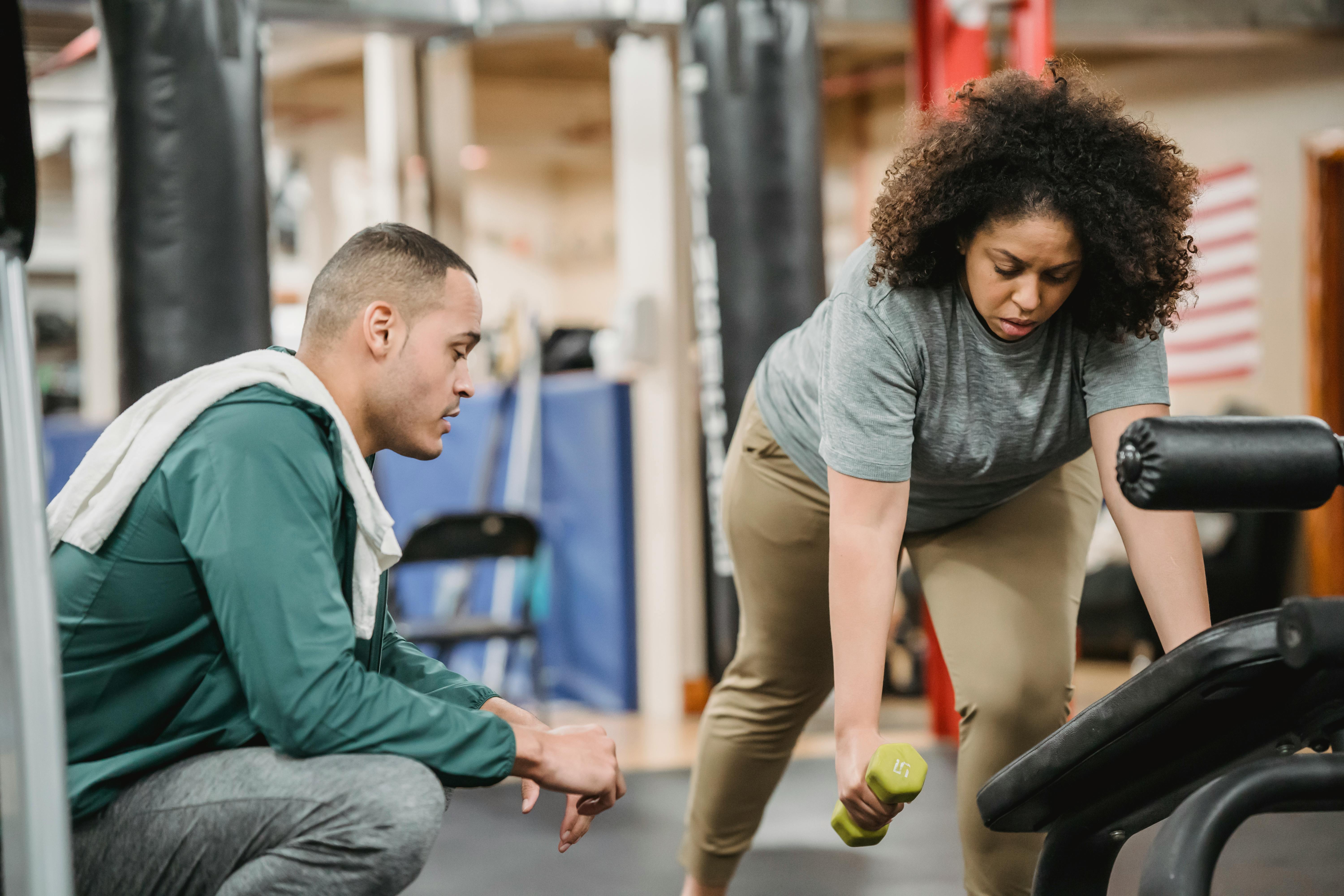
Wellness coaching, as opposed to personal training, focuses more on providing advice, recommendations, and guidance on making healthier lifestyle choices. A wellness coach helps clients create a personalized roadmap to healthier habits. A personal trainer essentially prescribes methods and protocols that a client must adhere to achieve the desired goals. In this sense, a personal trainer does not leave too much freedom of choice to their clients, apart from the personalization of the managed program. However, a Wellness Coach facilitates a self-empowerment process where clients receive expert training, motivation, and suggestions to be the stewards of their own ship. This means that as a wellness coach, you are more of a mentor than an instructor. He uses his knowledge and experience in health and fitness to inspire people to create their own journey to wellness. Active listening is a deep and essential interpersonal skill that focuses on listening to what someone has to say about themselves or their circumstances and actively engaging with that information in a way that enables them to understand or deepen the solutions. When it comes to certifications, there are quite a few great options regarding wellness coaching but Spencer Institute wellness coach certification training program is a one-stop solution.
Wellness Certification training programs
In terms of academic qualifications required, there is no specific degree to become a wellness coach. A bachelor’s degree may be earned along with a certification in related fields of health, psychology, counseling, wellness coaching, and nutrition depending on the specialization. You will learn the fundamental core competencies of the coaching process and the role of Positive Psychology in building a productive coaching relationship. You will also develop an understanding of the ethics involved in the coaching profession; have the opportunity to practice using your coaching skills effectively and see how health and wellness coaching can help transform the lives of clients interested in improving their health and wellbeing or to manage the chronic care on their own.
The course is designed to put the skills of the Health and Wellness Coach into action by helping them coach their clients towards their goals of an improved lifestyle, lack of energy and tobacco use, along with strategies to make progress in each area. We will also discuss topics unique to different developmental stages including teens, before and after pregnancy, menopause, and aging. Topics covered include effective goal setting, willpower, self-esteem, self-efficacy, and more. We will also explore evidence-based change coaching models that are particularly valuable for clients looking to make and manage sustainable lifestyle changes. You will go home with your own personal toolbox of evidence-based coaching models and interventions to use with clients seeking coaching for health and wellness challenges. Based on the science related to health and wellness coaching, you will learn how to help clients explore scientific coaching interventions with an appropriate focus. Start a career as a wellness coach, so you use active listening to give you the information you need to understand your clients and help them better understand themselves. After laying the foundations of understanding, a wellness coach can apply their knowledge of scientific principles and practical methods that help their client develop a strategy for health and wellness.
